Flood Management
Flood management involves implementing methods to reduce the negative effects of floods on people and property by using a combination of physical structures, land-use planning, and natural processes.
Resources
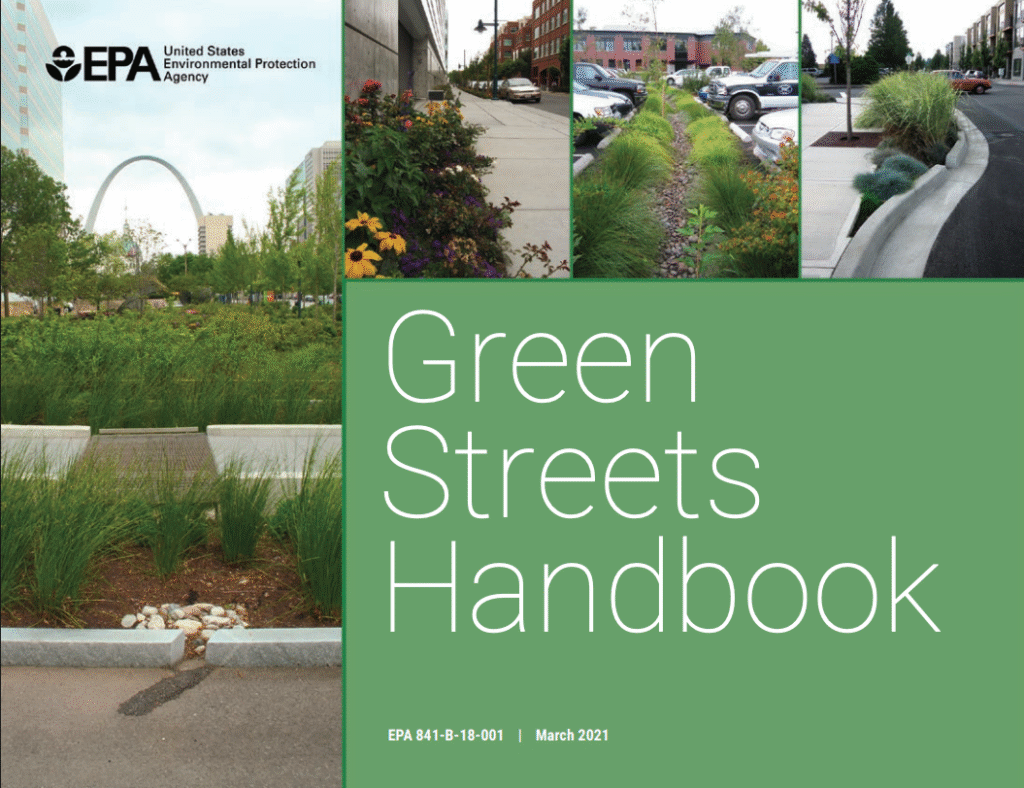
Nature-based solutions or green infrastructure can be a low cost practice to slow rainwater down and allow it to soak into the ground more slowly.

This FEMA guide includes an introduction on nature-based solutions, then expands upon the business case, planning and policy-making, and implementation. While there is some focus on outdated FEMA funding opportunities, the remaining information remains relevant and usable including non-federal funding models. Examples of nature-based solutions at the landscape/watershed and neighborhood/site scales are included. Community co-benefits and cost savings are included in the benefits assessment.
Chapters 15-19 include detailed information and guidance on the use of nature-based solutions for flood management in river (fluvial) systems. Chapter 15 is an introduction to nature-based solutions in river systems, Chapter 16 speaks to the processes in river systems and how they relate to flood risk. Chapter 17 reviews benefits and challenges of nature-based solutions. Chapter 18 includes an overview of nature-based solutions applicable for river systems and Chapter 19 includes case studies of nature-based solutions to reduce flood risk from river systems. There are many included references to more resources.
Tools
Flood Inundation Mapper – USGS
Mapper that visualizes foecasted flood inundation in locations with forecasted rainfall likely to produce flood conditions.