Central Appalachia Resiliency Exchange (CARE)
Central Appalachia is getting more rain, more intense storms, and more extreme temperatures and our communities need to be prepared.
What is Disaster Resilience?
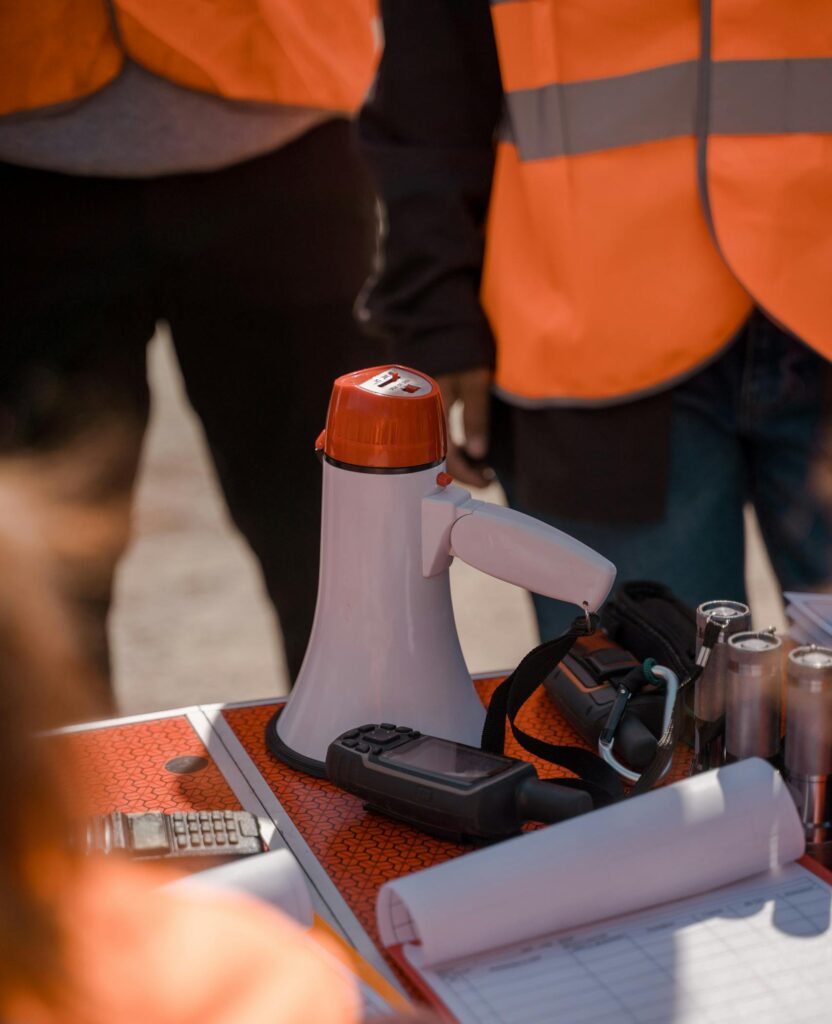
When we face extreme weather events, our communities have immediate and long term needs. Building community resilience allows us to put plans and resources in place before disaster to allow us to return to normal and recover more readily.
During a disaster, we can lose access to power, water, communication, and safe roads and must have plans in place to allow our communities to react. This can include using nature-based design for flood mitigation, investing in flood barriers, developing community resilience hubs, implementing emergency response plans, supporting resilient local agriculture, and supporting mutual aid networks to coordinate response. Central Appalachia is vulnerable to floods, high wind events, winter storms, and extreme temperatures.
The Community Resilience & Adaptation Working Group (CRAWG) has created the Central Appalachia Resiliency Exchange (CARE) an evolving Resource Hub with the goal of providing information and resources that are easy to accessible to the public.
For more detailed information on disasters resiliency in Appalachia, please read these research reports:
Resiliency Stories
Below are stories from some of our Appalachian Community Resilience + Response Mini-Grant Awardees and communities in Central Appalachia that have faced disasters in their area.
Tri-County Mystery Meets is a regionally based theatrical initiative that have created an original play inspired by true stories of resilience from residents of Whitley, Laurel, and Knox Counties. Combining oral history, community engagement, and performance art, this production spotlights the strength, courage, and creativity of people who have weathered personal, environmental, and economic storms. They will be performing in Barbourville, Corbin, and London KY. To find out specific locations and times you can
find more information here
After the devastation of Hurricane Helene, a massive community effort formed in the absence of any government help. This community action would spark a new nonprofit, Full Circle Forestry Collective (FCFC). Today, FCFC helps neighboring communities clean up debris, which it then donates to firewood banks. This not only helps communities recover from past disasters, but it can also help limit the spread of potential forest fires! You can donate to FCFC here to help the mission: fullcircleforestry.org/donate
With the ACCR mini-grant, Hemphill Community Center is better equipped to feed disaster-impacted communities with the purchase of their new mobile brick oven! Gwen Johnson discusses the disaster response work that Hemphill has done to date, and how they plan to use their new resources going forward. To find out more about the Hemphill Community Center and Black Sheep Bakery, or to donate visit: https://hemphillcenter.org/
Resource Hub
Explore our evolving resource hub that contains information curated for use in the region to cut through the noise and allow our communities to move towards implementation and resilience building. This toolkit is organized topically by potential users and is focused on those resources that are ready for implementation by communities, local businesses, households, farmers, and other organizations. Resources are all publicly available for different types of users in Central Appalachia.
Browse Resources by Stakeholder
Other Resource Pages We Recommend:
- HUD Exchange Planning Resources
- FEMA Tools for Practitioners: Planning Guides
- MPHA Climate Resilience Materials
- West Virginia Flood Resiliency Framework
Disaster Resiliency Webinar Series
Webinar Series
Watch recordings of a new series that explores disaster resiliency in Appalachia
(listed below)

CAN teamed up with our friends at the ReImagine Appalachia to offer a new virtual series that explores effective disaster response in depth. From causes to mitigation; resilience to recovery; resources to first-hand survivor advice, we’ll help you get equipped with region-specific disaster resilience tools and knowledge.
- Disaster Resiliency 101
- Shelter in the Storm: Creating Community Resilience Hubs
- Nature Based Hazard Mitigation: How Nature-based Approaches Can Reduce Flood Risk
- Federal Disaster Relief Programs: Unpacking FEMA and other federal programs for disaster relief
- We Help Each Other: How Appalachian Communities Come Together When Disasters Hit
- Telling the Story: Communicating and Storytelling around Climate Disasters and Disaster Resiliency in Appalachia