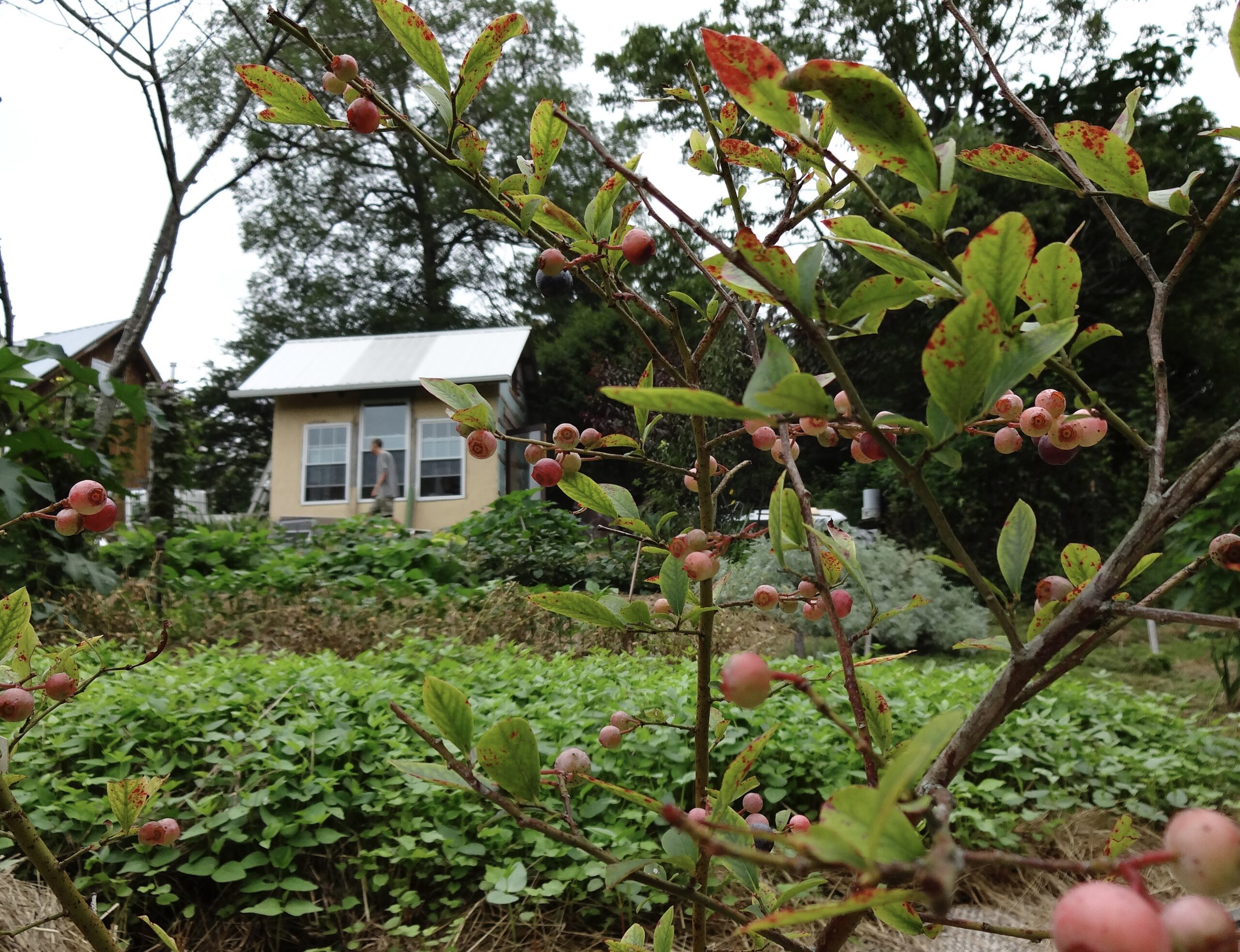
Salamander Springs Farm: Strengthening Resilience and Self-reliance in Kentucky
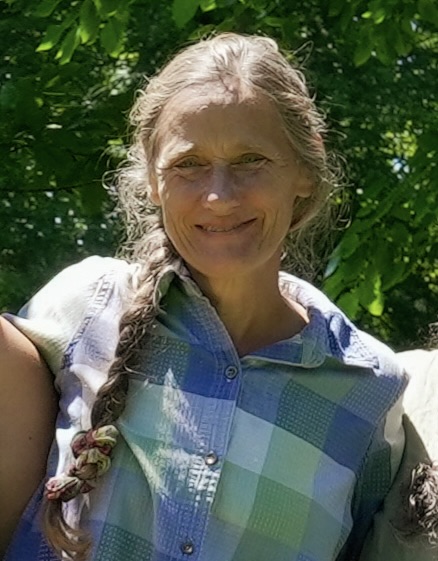
This blog was written by Susana Lein of Salamander Springs Farm
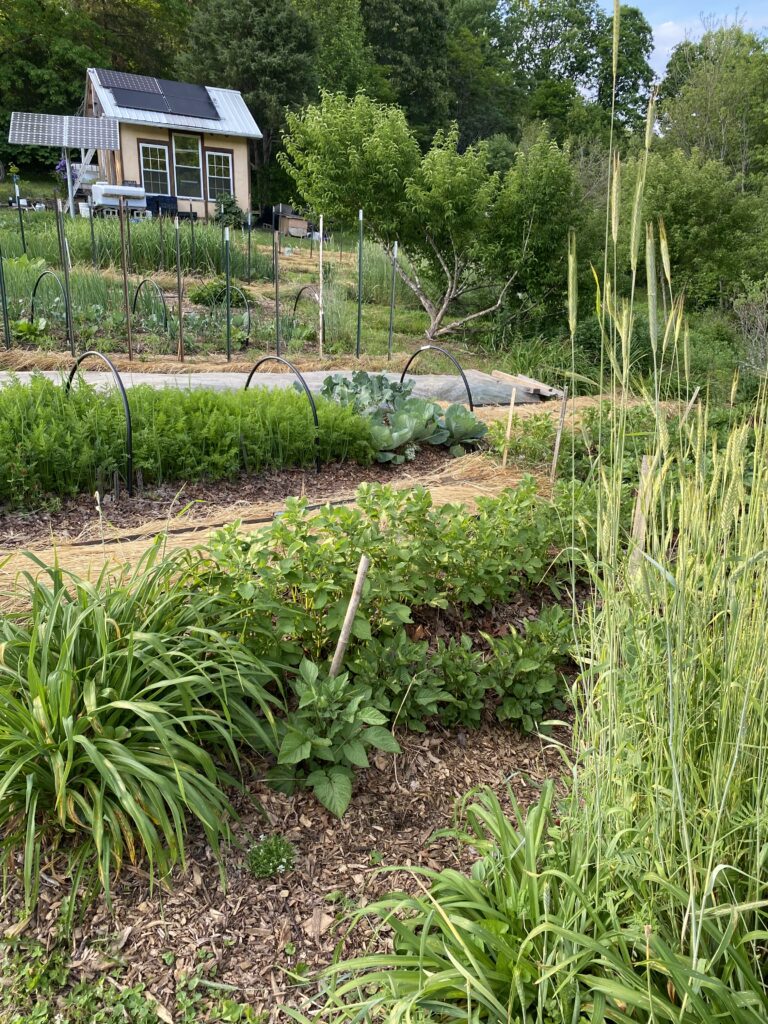
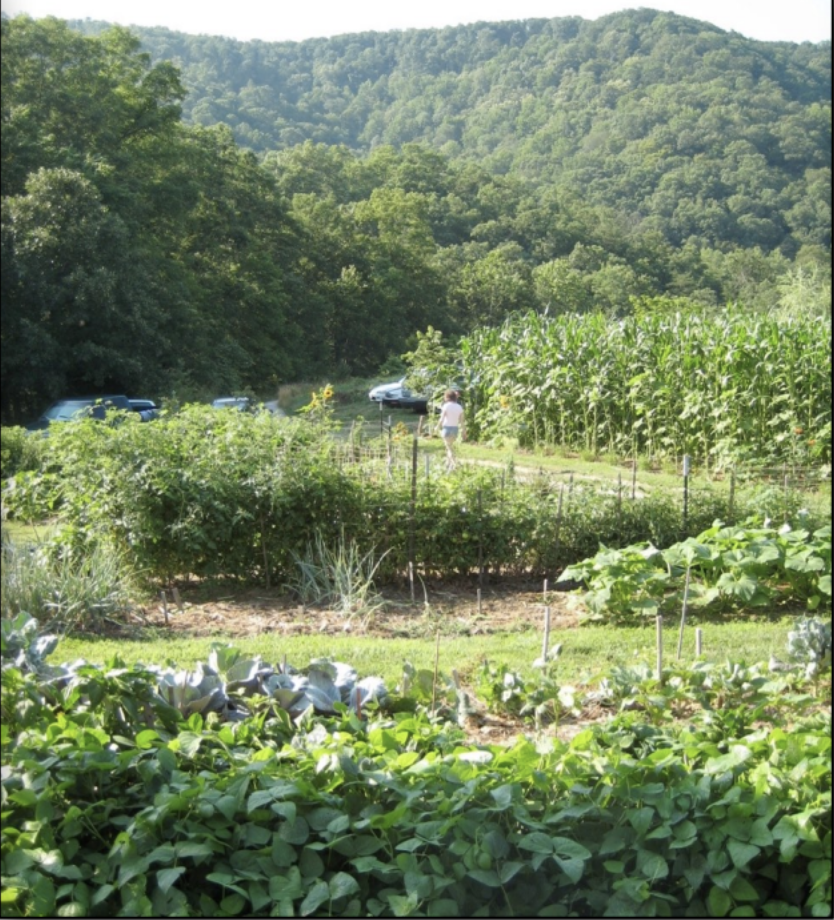
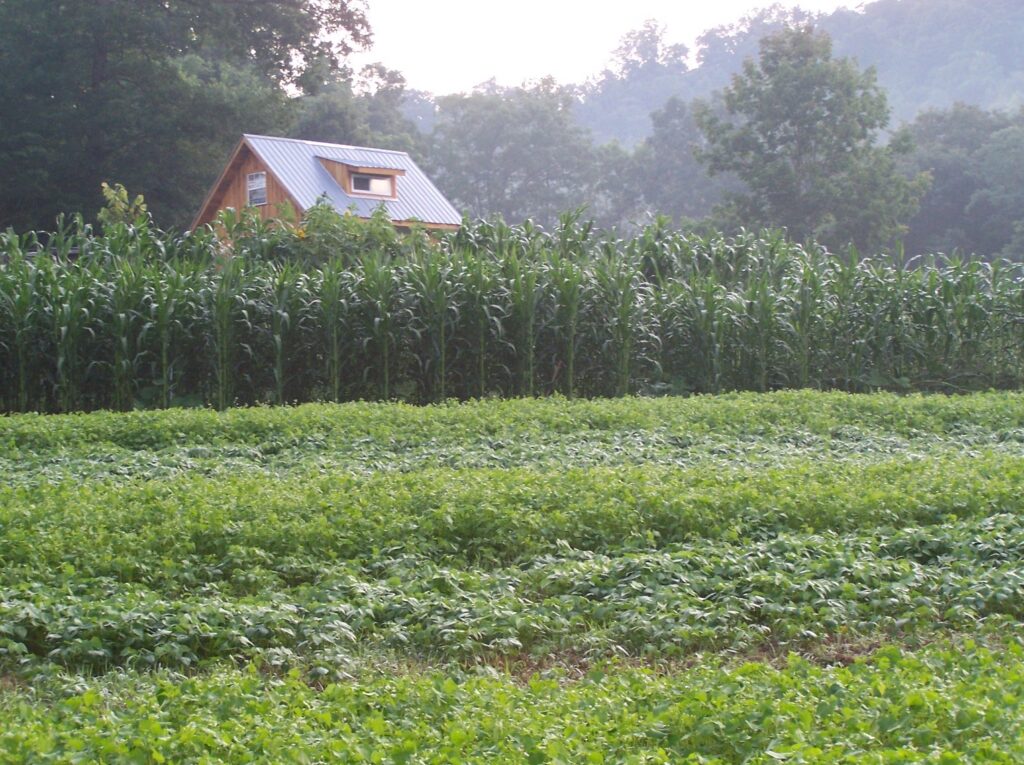
Salamander Springs Farm sits on a ridge of the Appalachian foothills south of Berea, Kentucky. Totally off-grid, it relies on a very small solar electric system, gravity-fed spring water with a few small rainwater catchments, a DIY compost toilet and self-built infrastructure. The farm has been a case study of resilience and local self-reliance for more than 25 years. Susana Lein built the farm’s buildings with locally-harvested lumber, recycled materials and traditional natural building practices using clay, straw and sand. Her tiny house has an earthen floor and relies primarily on passive solar design with back-up wood heat. The farm’s only “utility” is (spotty) cellphone service.
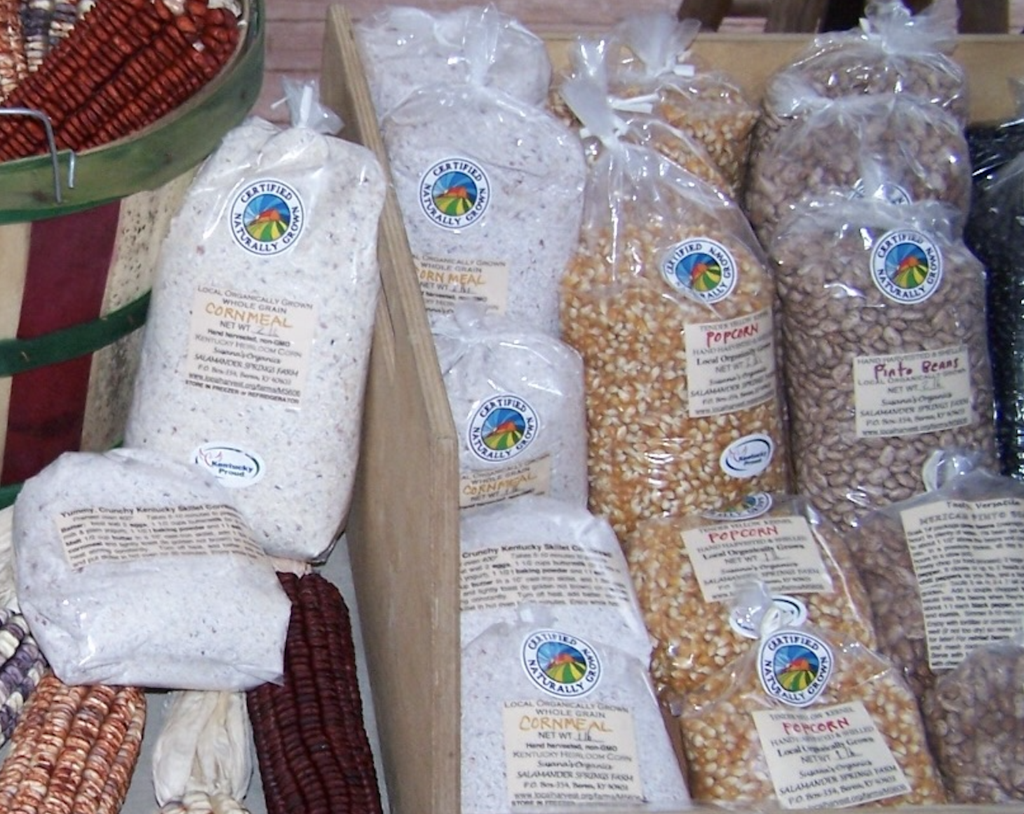
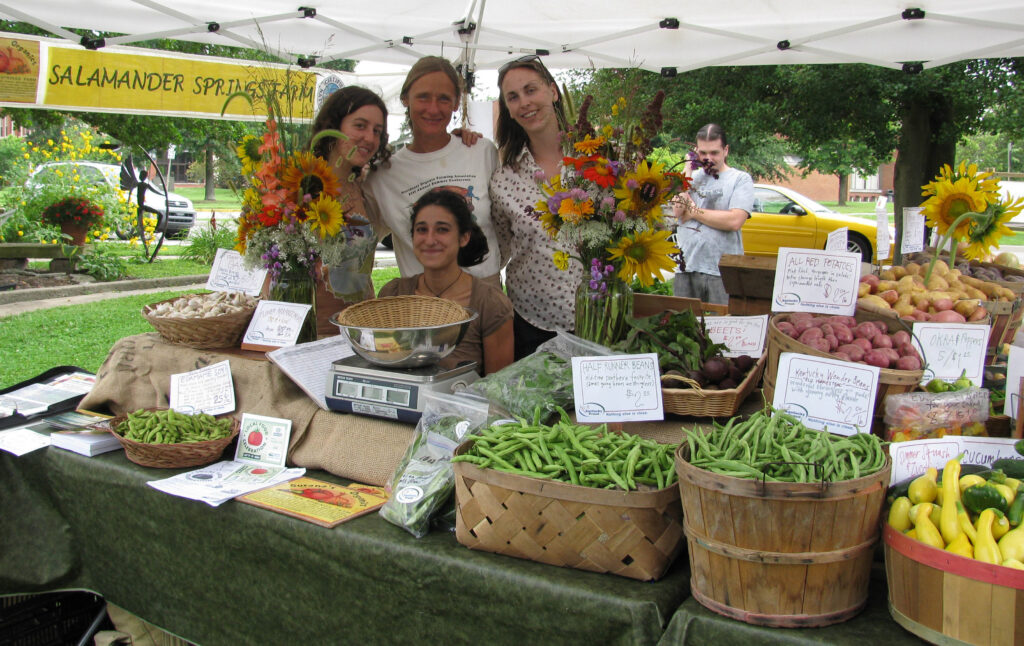
Starting with a logged and eroded ridge-top without topsoil in 2001, Salamander Springs quickly became one of the most important market farms in the area, producing a wide variety of vegetables, fruits, nuts, herbs, and staple crops like cornmeal, popcorn, and dry beans. As a key vendor over the past two decades, Susana fostered the growth of local farmers’ markets, Community Supported Agriculture program, and other venues into a viable community-based local food system.
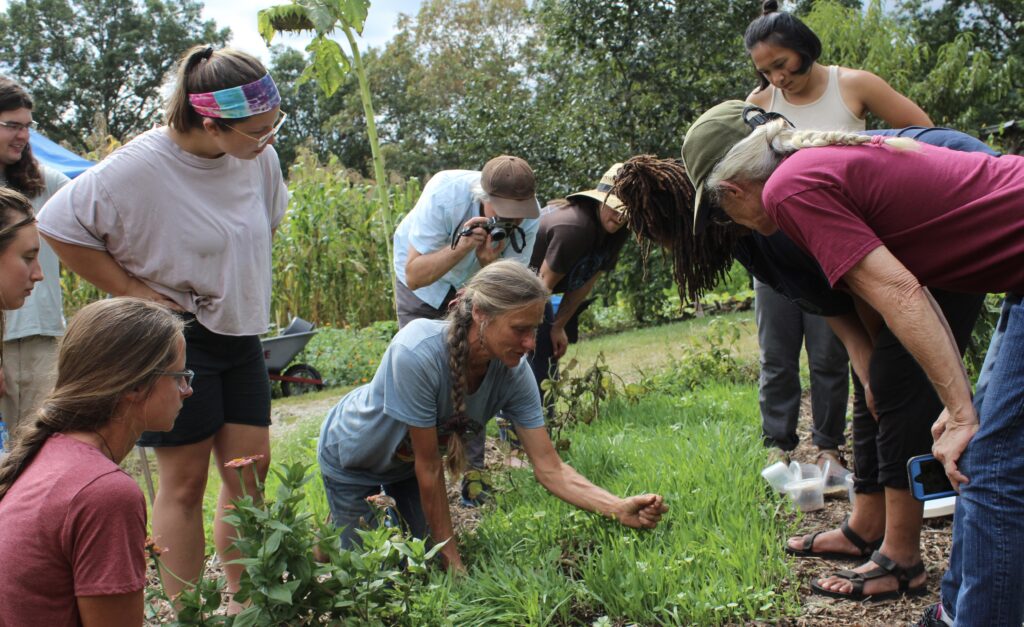
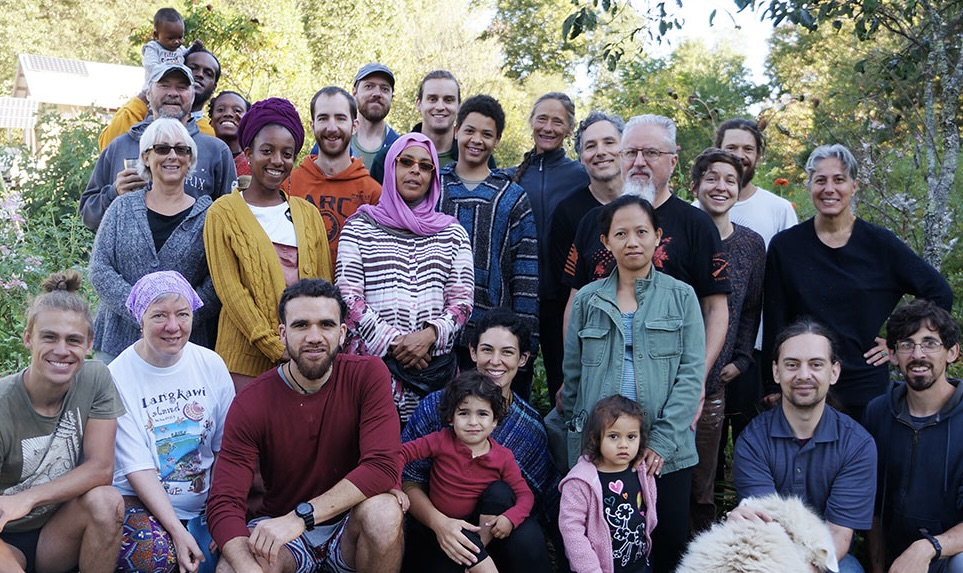
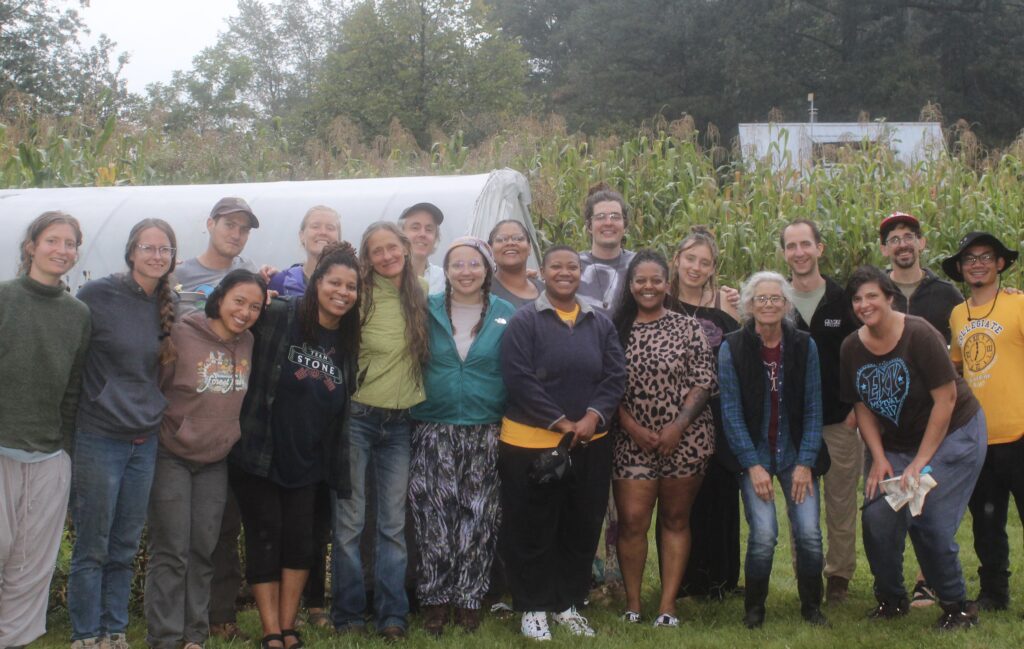
The farm is a hub in the Appalachian region for learning resilient land-based skills, and over the past 25 years Salamander Springs Farm has hosted thousands of people for annual hands-on skills workshops, tours and events.
People travel from all over the United States and beyond to learn permaculture & regenerative agriculture practices, to rebuild healthy soils with better rainfall absorption, to create contour swales to slow and retain rainfall, to produce grain & bean without tillage, to utilize cover crops, to select and steward landrace seed, build with salvage and natural materials like clay and straw, to work with renewable energy and live lightly off-grid.
Each year Susana provides annual BIPOC scholarships and work trades for underrepresented communities who have traditionally been excluded from these opportunities.
Through the farm’s apprenticeship program, WWOOF (Worldwide Opportunities on Organic Farms), and internships through Berea College and other universities, more than 80 young people since 2002 have learned skills in resilient farming through challenging seasons. Check out Salamander Springs Farm WORKSHOPS and TOURS
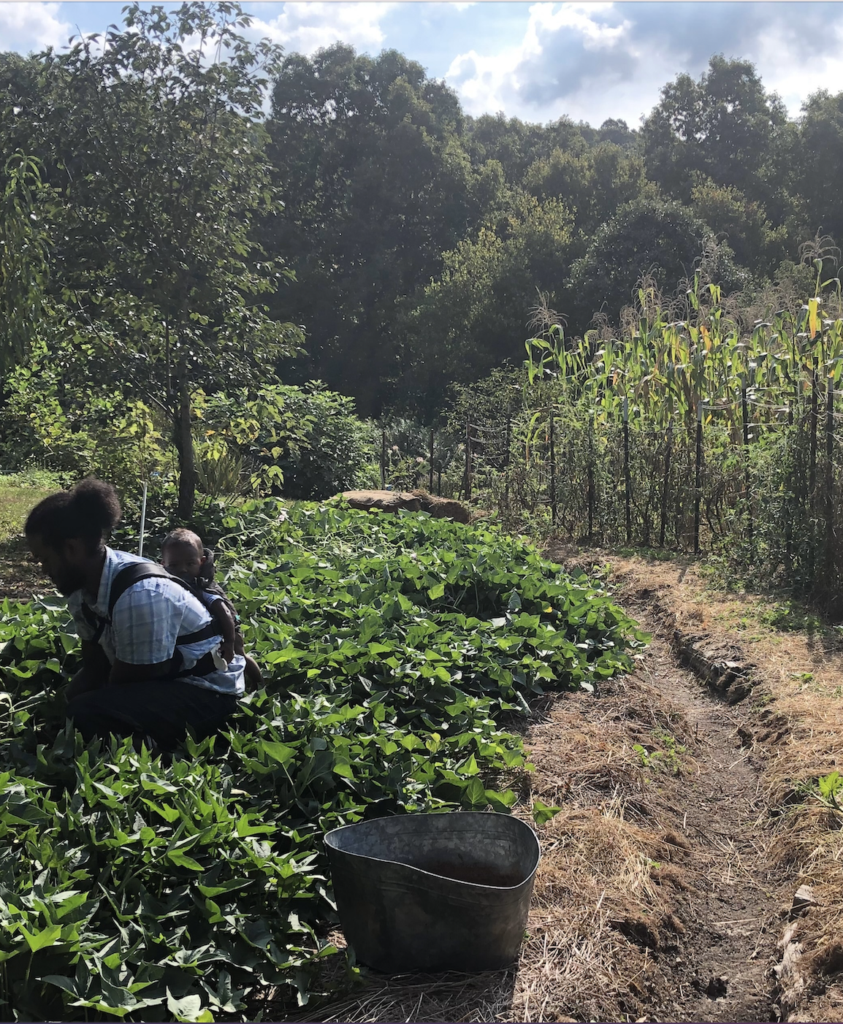
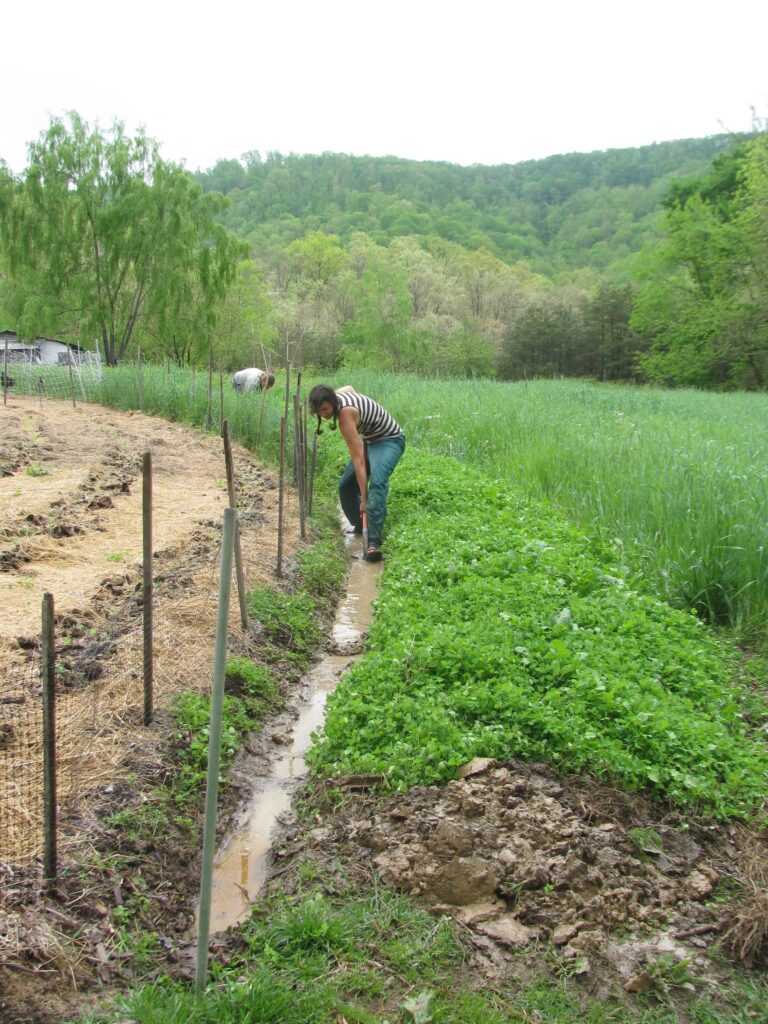
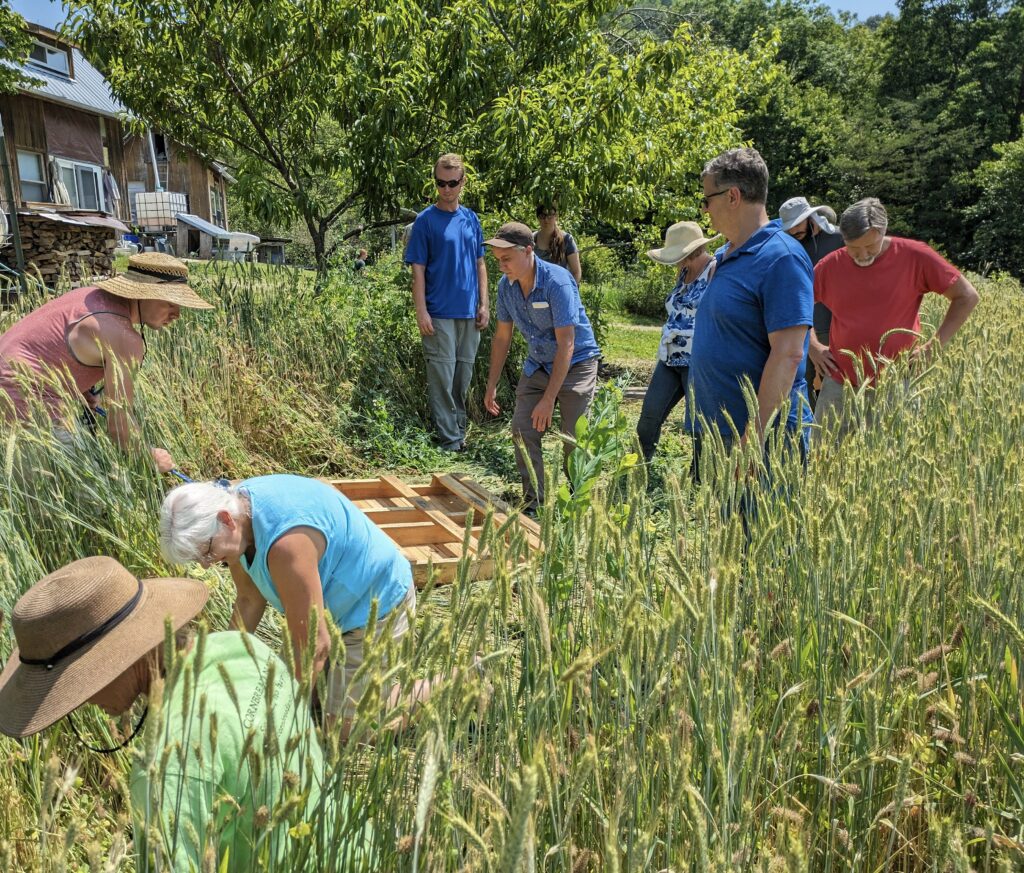
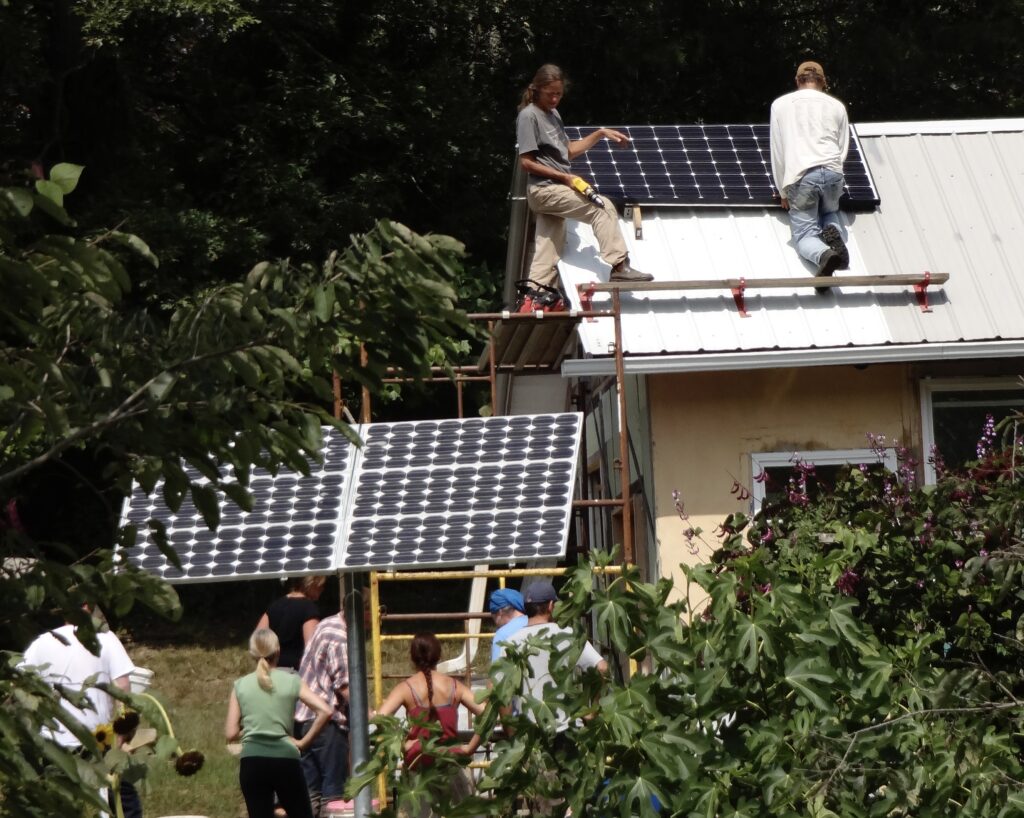
Resilience strategies at Salamander Springs Farm: Soil conservation contour swales slow and absorb rainfall, no-till cover crops continually protect soil, and renewable low-impact energy use mitigates causes of environmental degradation.
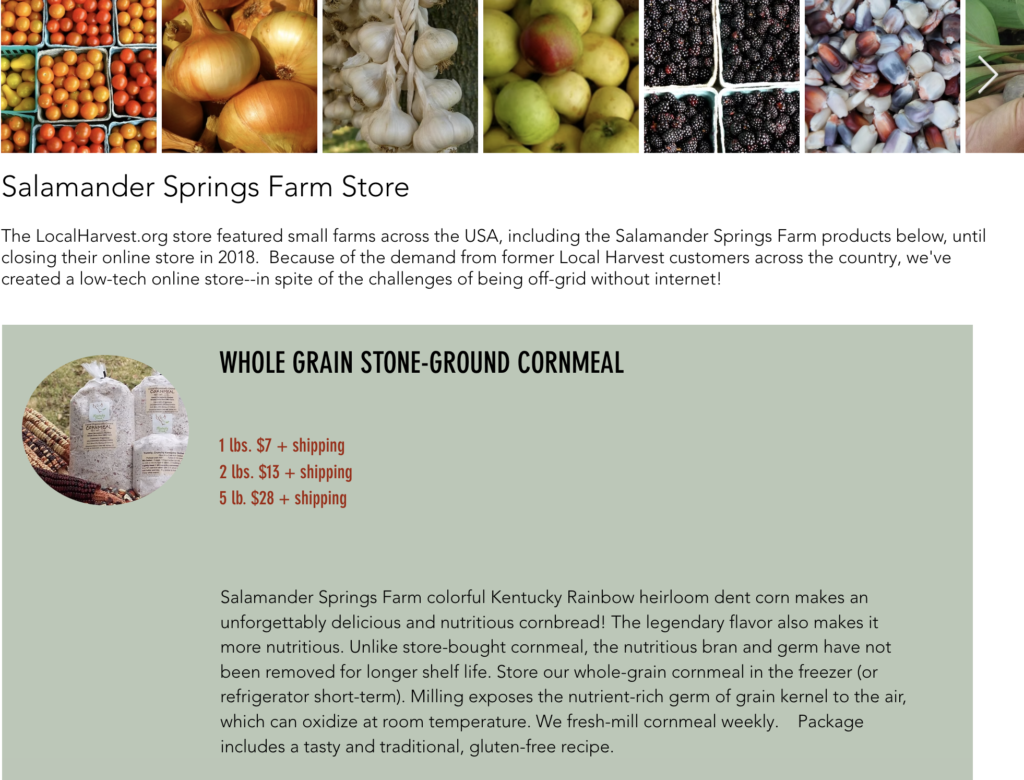
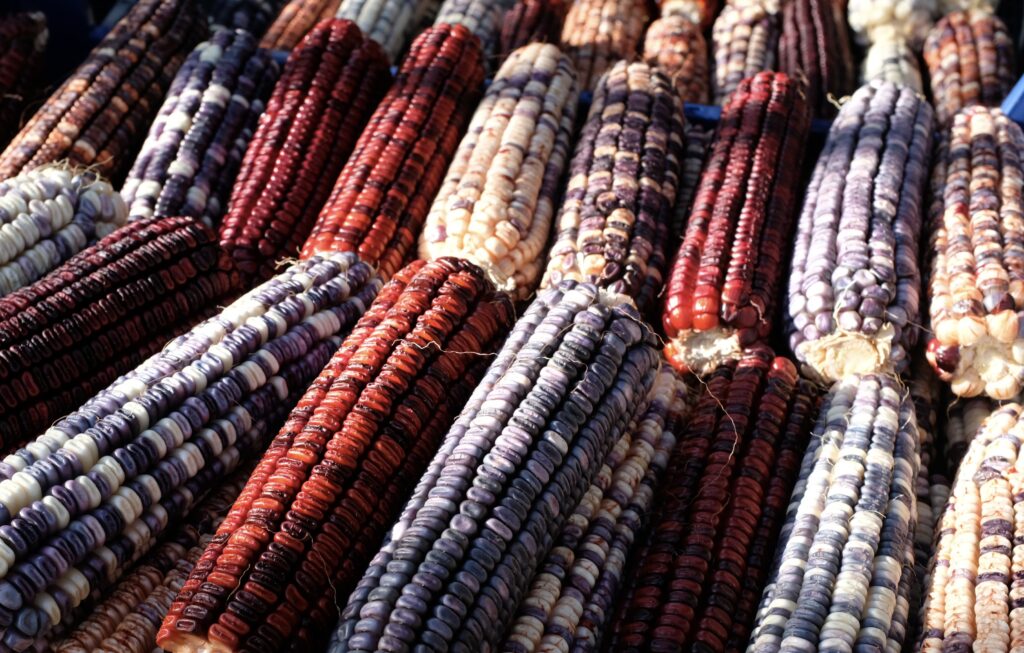
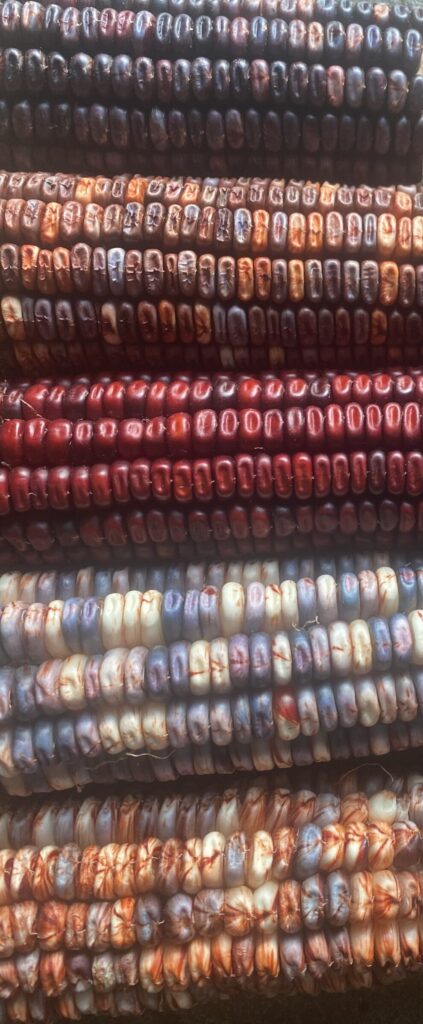
Indigenous agricultural practices developed over thousands of years of resilience to climate and human-caused disasters are modeled at Salamander Springs Farm and integrated into workshops and events. The farm is known for its colorful cornmeal corn and the indigenous milpa cropping system Susana learned while working in Latin America with Mayan farmers during the 1990’s.
This polyculture system of growing staple food crops provides better soil protection and resiliency in times of drought or heavy rains. Similar to the Indigenous North American “3 Sisters” field, it includes corn, pole beans and squash, and many more useful plants.
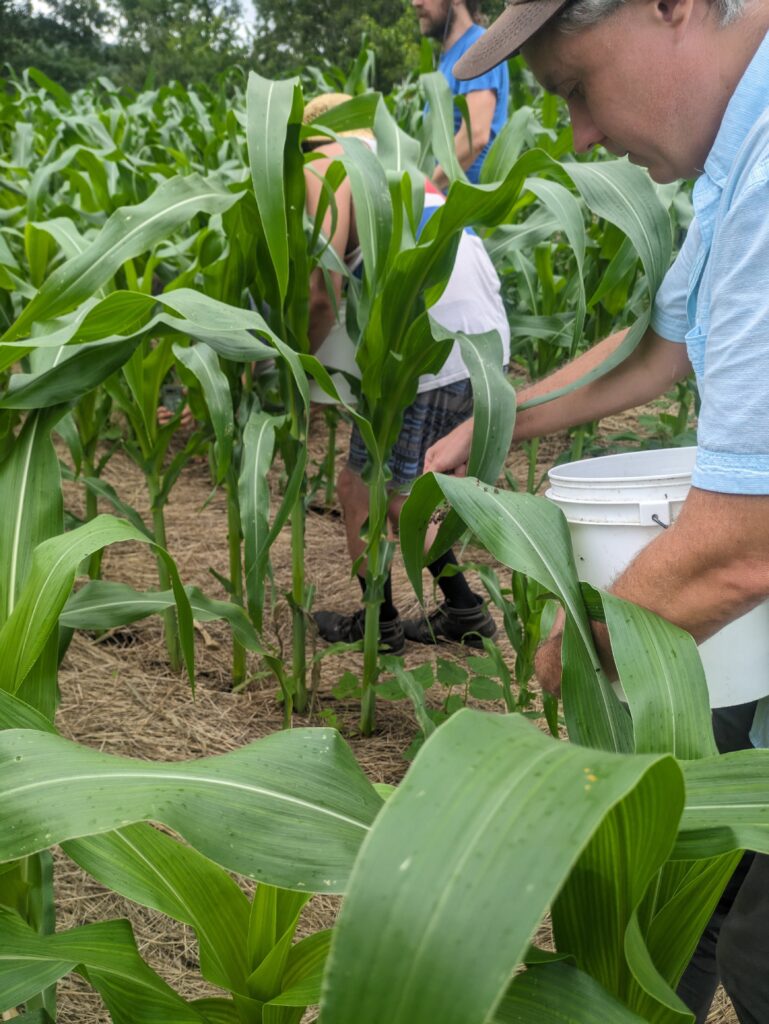
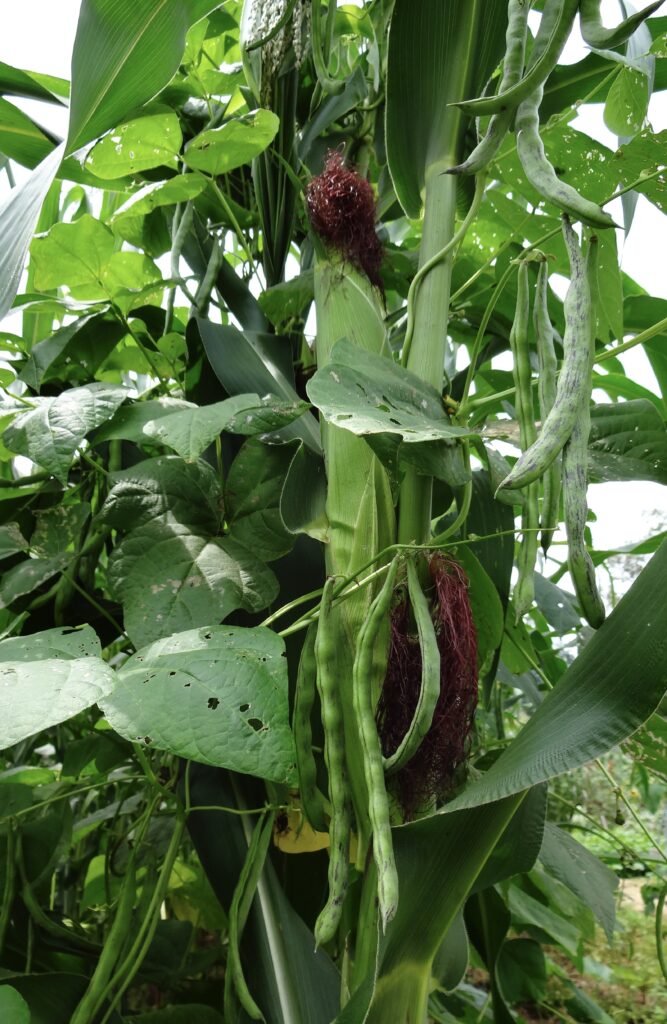
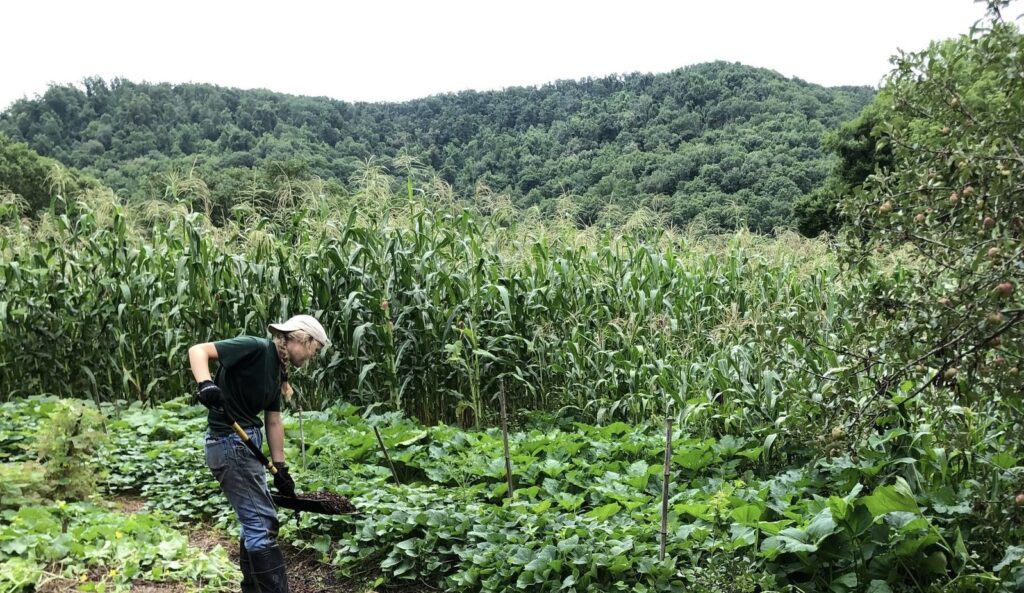
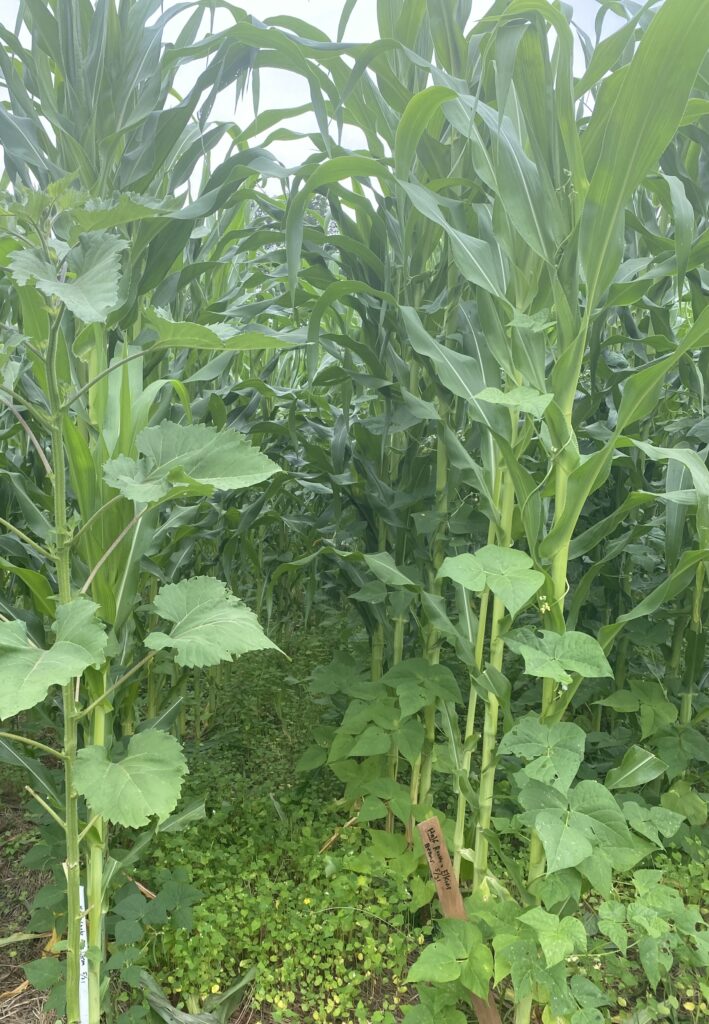
Seed-selection workshops at the farm focus on selecting resilient, flavorful, locally-adapted landrace varieties, beginning with these native staples of corn, beans and squash, as Susana learned from the Pokomchí Maya. She developed the beautiful and resilient landrace dent corn,“Kentucky Rainbow,” from several inbred “heirloom” varieties which were taken from the Indigenous peoples and grown for centuries in Appalachia.
Her ongoing seed selection of the Cherokee Trail of Tears and Cherokee Greasy beans is helping keep these Indigenous varieties viable in our changing climate.
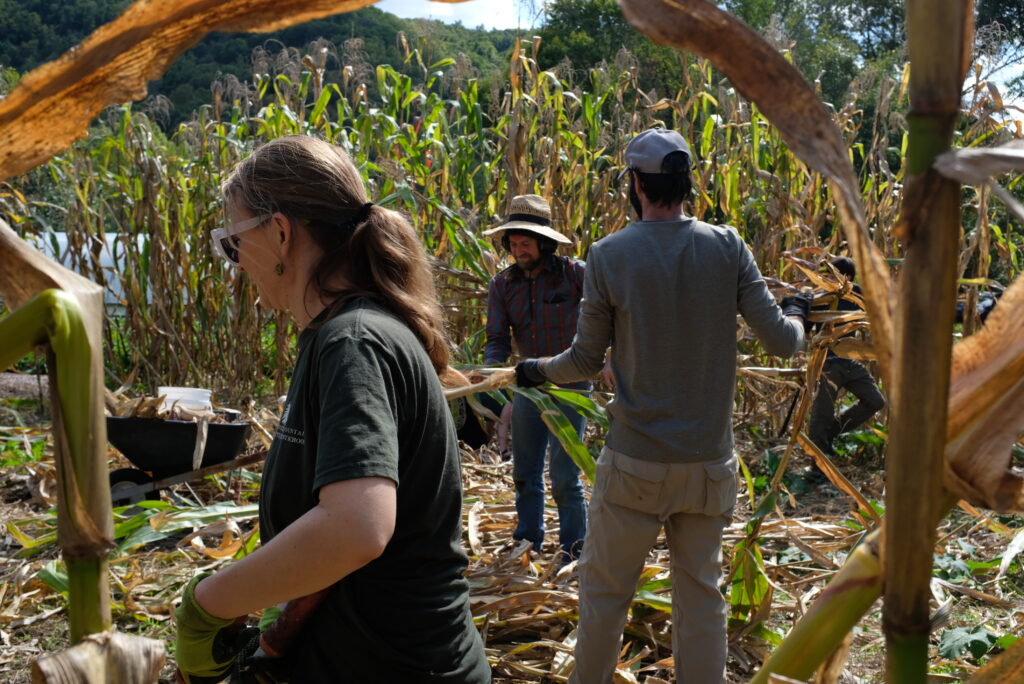
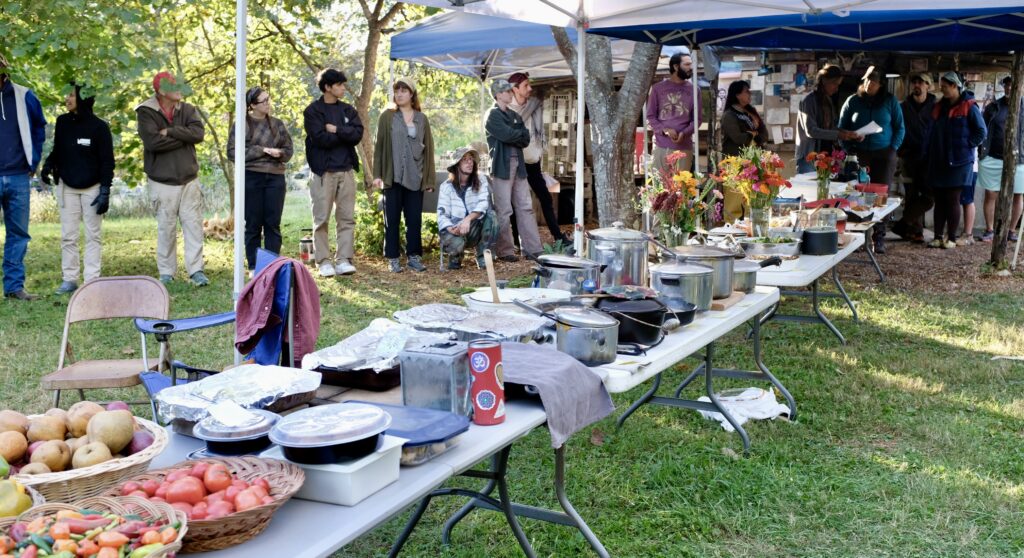
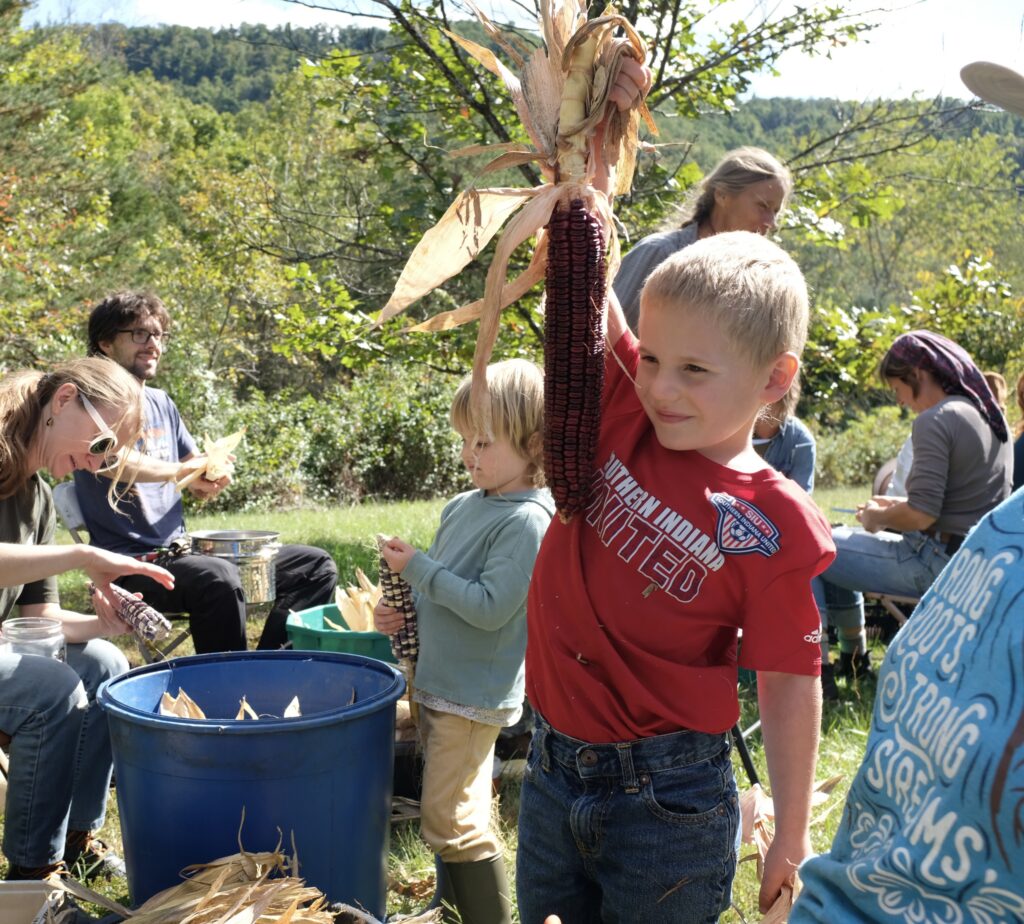
Annual corn harvest parties combine Appalachian traditions with the cooperative community harvests Susana learned from Mayan farmers. Community members circle to hear stories of resilience before the harvest meal at the end of the work day, and learn about the origins of maíz (corn) and the resilience and transformation of the seed from 9000 years of Indigenous seed stewardship.
See “Corn Tastes Better on the Honor System” by Robin Wall Kimmerer
See Salamander Springs Newsletter
Community resilience in times of disaster requires building and sharing critical resources. Treacherous ice storms and flooding events have downed power lines and closed roads for up to 2 weeks in the area around Salamander Springs Farm. Neighbors left without electricity or municipal water after severe storms have depended on clean spring water from the farm.
Extreme flooding events throughout the Appalachia have contaminated many water sources. Many Appalachians have not received adequate repair for the unjust contamination of their groundwater by mining company activities. Municipal water service is often foul-tasting, unpalatable, and highly-chlorinated. For farm irrigation or livestock, it is often cost prohibitive.
With many low-lying homesteads and farms needing to move uphill because of flooding, it becomes difficult to use gravity alone to provide enough pressure for reliable water distribution from spring and rainwater catchments, ponds or streams.
Developing local surface water resources for domestic and agricultural purposes was a traditional resilient Appalachian skill that now is almost lost. Systems that still exist are often fraught with poor design or operational problems.
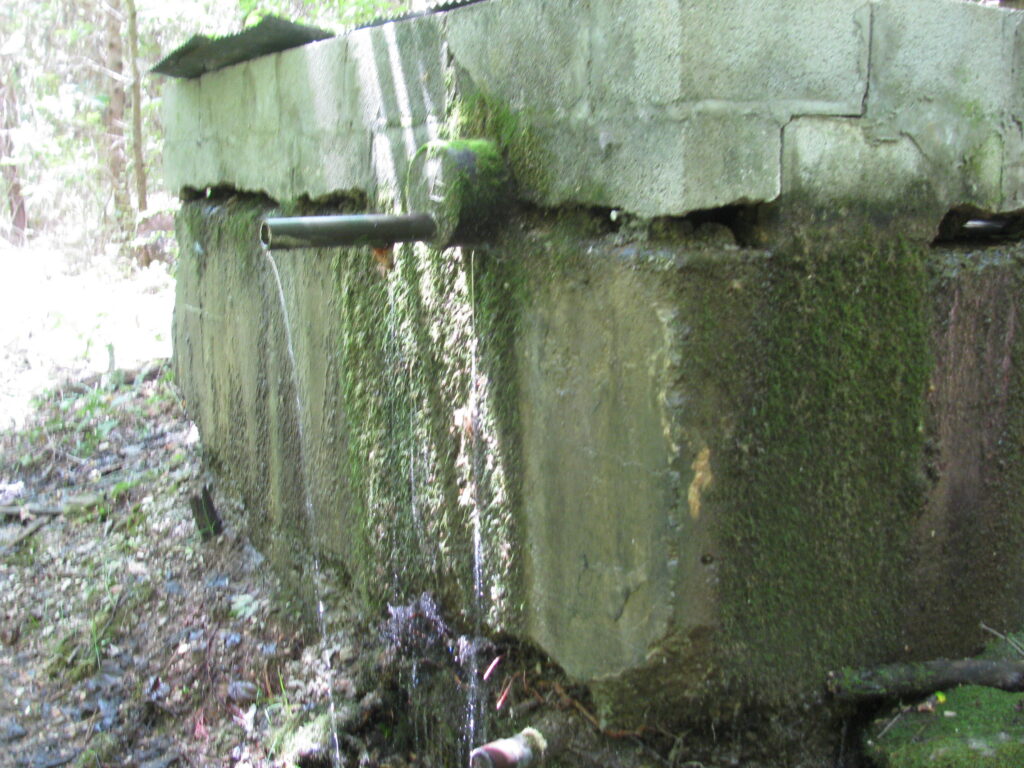
With the deterioration beyond repair of an 75-year-old concrete spring water cistern, Salamander Springs Farm needed a more reliable water storage and distribution system. In consulting with Energy specialist Josh Bills of Mountain Association in Berea, KY, Susana learned of an off-grid (DC) solar water pumping system that is an affordable, teachable and replicable technology that can be used at various scales and applications like spring and rainwater catchment, wells, or surface water like ponds.
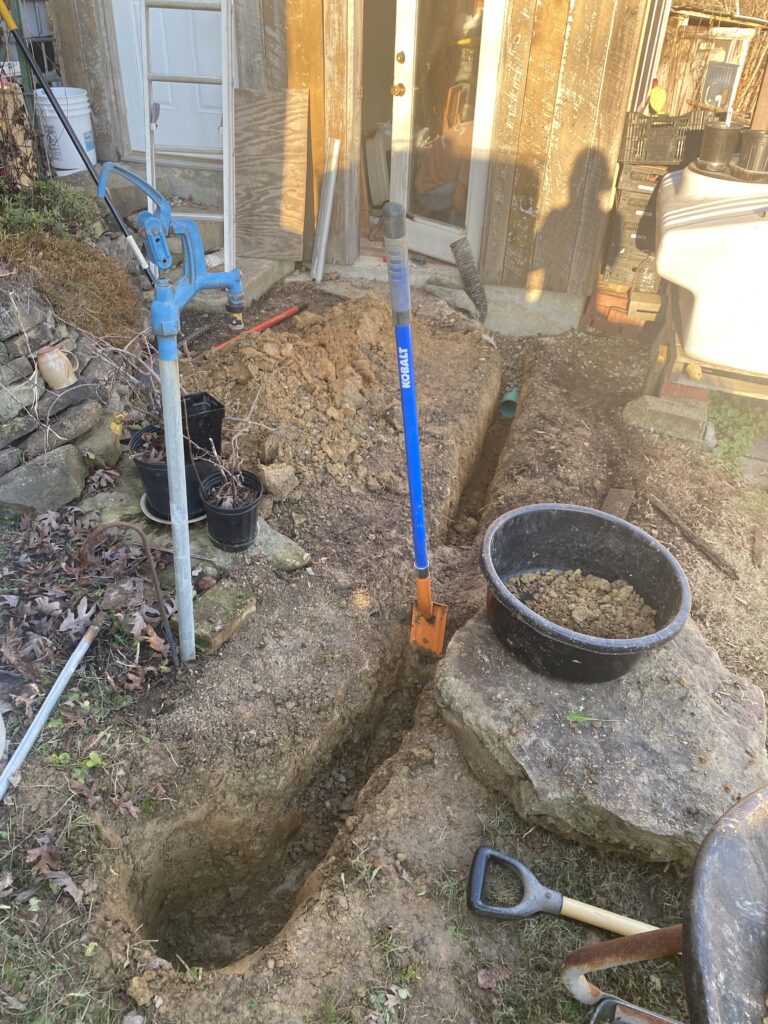
Solar electricity and improved domestic water pump systems allow rural Appalachians to utilize onsite water resources that could not be considered a generation ago, like from spring water sources that lie 100 ft. below the intended point of use. The integration of a pressure tank and small direct current pump opens up many opportunities that are less expensive and lower environmental impact than earlier designs.
Partnering with Mountain Association and other organizations, Salamander Springs received CAN’s ACRR Mini-grant to host installation workshops and demonstrations on the installation and use of a DC water pumping system.
The grant is also helping partner organizations develop educational materials for rural landholders in Appalachia to learn these resilient long-term solutions to the clean water access problems confronting our region.
Energy Specialist Joshua Bills of Mountain Association is providing technical design expertise. After receipt of the grant funds in early November, Salamander Springs Farm worked closely with Josh to design and prepare components for the Part 1 installation workshop in December 2025. He is also leading the hand-on installation workshops.
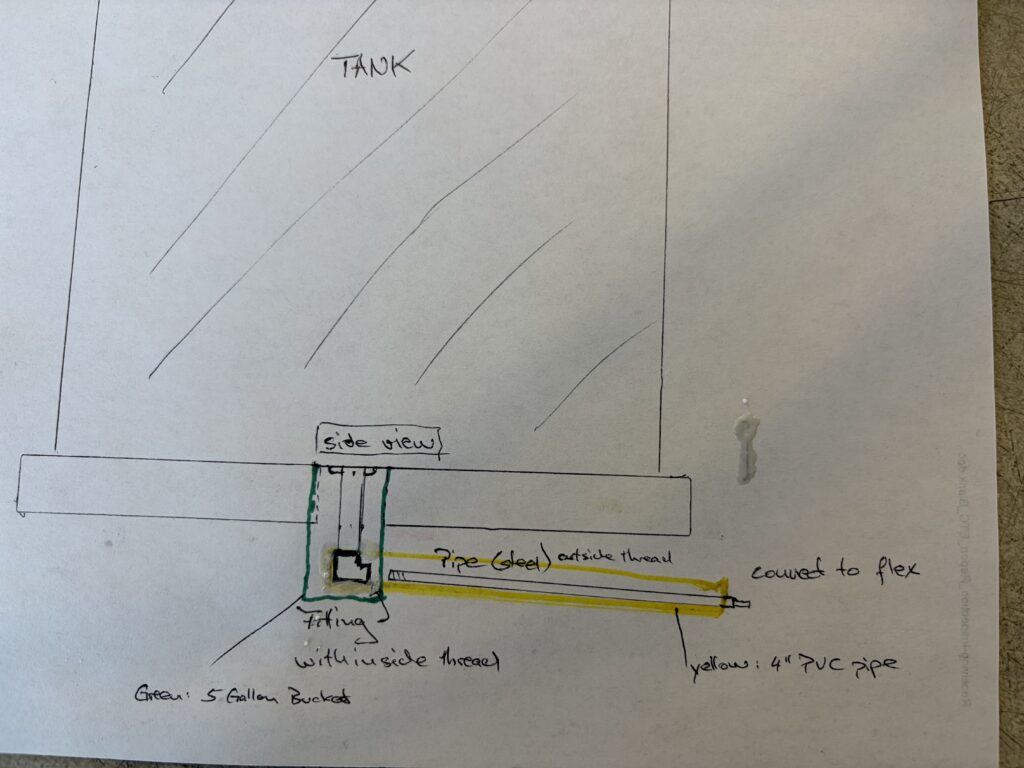
Regional rural development and farmer-support organizations are providing outreach to spread the word about training opportunities and educational resources for this exciting project.
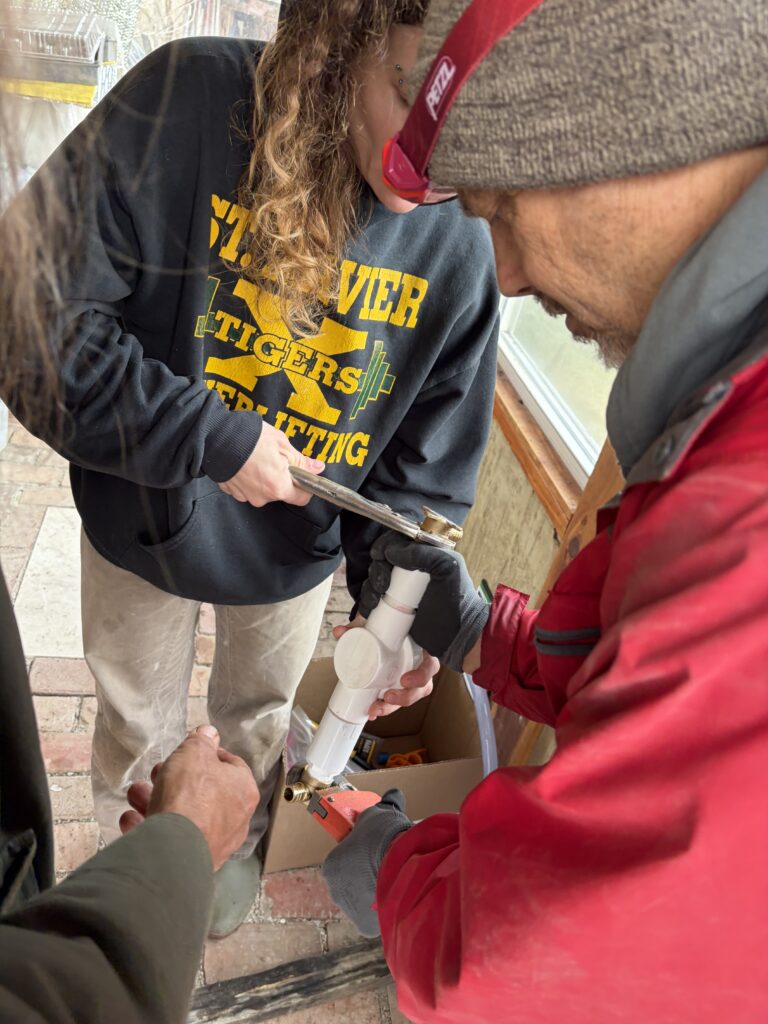
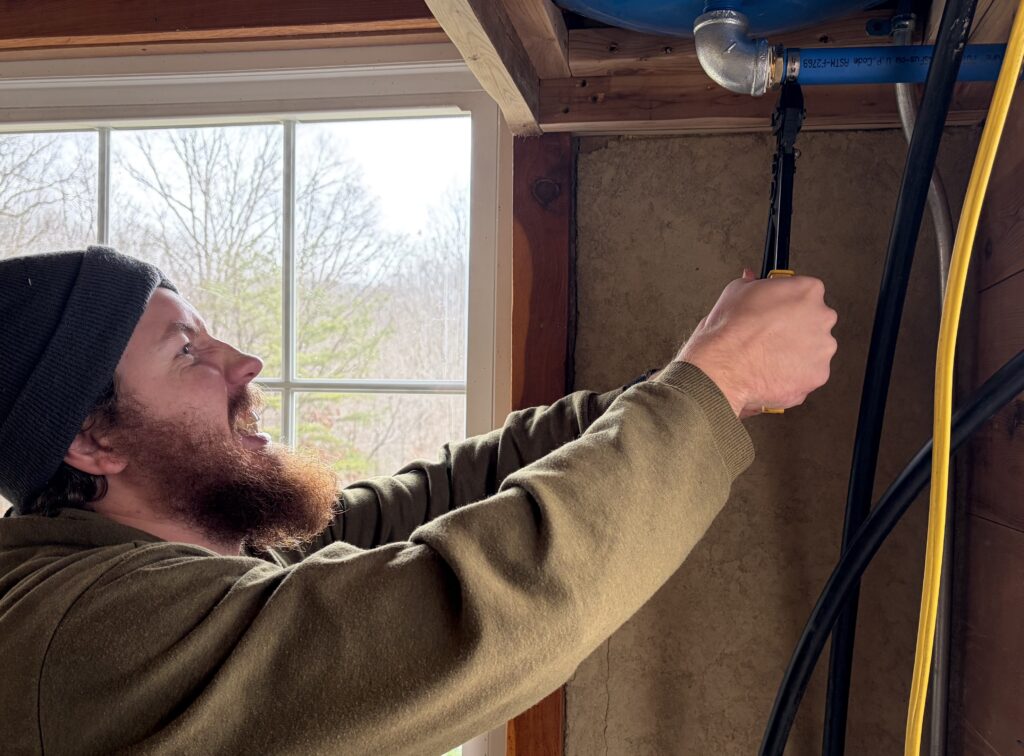
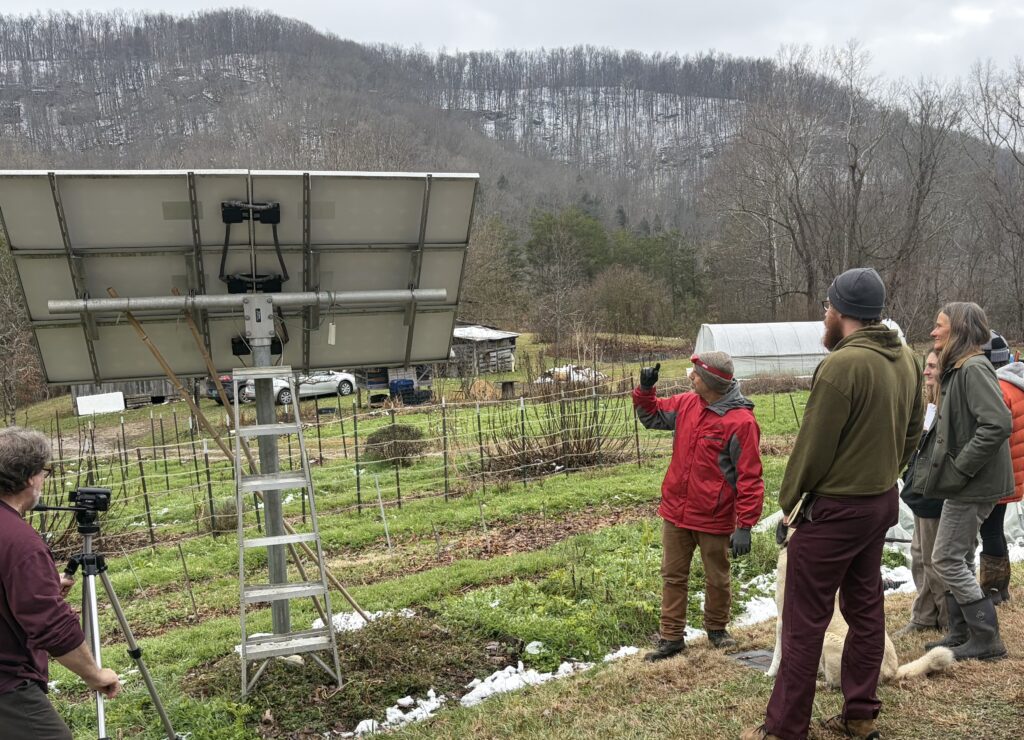
Appalachia Science in the Public Interest in Mount Vernon, KY, filmed the December workshop and will film the April workshop and demonstrations. They will then create educational film content on the installation and use of the DC water pumping system and work with the Energy team at Mountain Association to create technical resources for future trainings.
Work is progressing on preparing the site and components for the Part 2 workshop in the Spring at Salamander Springs Farm. Participants will learn about setting up water catchments and overflow for different situations, filtering water, dry-run protection, and making the connections from the water catchment to the DC pump. This workshop will culminate with a demonstration of the system in action and testing of the delivery pressure.
There are still spaces available for the Saturday, April 18, 2026 workshop! Visit the Salamander Springs Farm WORKSHOPS page to learn more and sign up.
In the years to come, Salamander Springs Farm workshops, monthly tours, apprenticeships, and farm events will provide regular opportunities demonstrate the off-grid water pumping system. Susana’s consulting work with farmers and homesteaders, the work of team at Mountain Association’s Energy team and the educational materials created and distributed by ASPI this project, will continue to seed similar projects throughout the Appalachian region.
Susana Lein has lived off grid for more than 35 years, first during the during the 1990’s in Valle Patal, Alta Verapaz, Guatemala, where she worked with Mayan Pokomchí farmers, and for the past 26 years building Salamander Springs Farm in the Appalachian foothills of Rockcastle county Kentucky. She has taught permaculture & no-till regenerative agriculture practices all over the United States, including landrace seed selection, natural building and off-grid low-impact living. Without internet or social media, Salamander Springs Farm’s website, correspondence and event registrations are managed by a long-time friend/customer. For email updates a few times/year on farm workshops, tours, events and conferences where Susana is teaching, sign up on the farm website.