COMMUNITY RESILIENCE & ADAPTATION WORKING GROUP (CRAWG)
The Community Resilience and Adaptation Working
Group (CRAWG) is working towards proactively fostering
communities in Central Appalachia where there is
widespread acceptance and implementation of strategies
for resilience, adaptation, and mitigation.

CRAWG’S GUIDING GOALS
- Develop a comprehensive understanding of existing models and tools to enhance community resilience planning, adaptation, and mitigation in rural communities.
- Establish coordinated structures for resource sharing, research collaboration, funding opportunities.
- Create a comprehensive outreach strategy to reach and effectively onboard engaging contractors. and joint projects.
- Ensure the availability of accessible models and tools that effectively engage communities in resilience planning and response, informed by research and gap analysis.
- Create a comprehensive outreach strategy to reach and effectively onboard engaging participants.
- Implement and assess the resilience planning and response model through a regional pilot program.
CRAWG CO-CHAIRS
Co-chairs play vital roles in leading Working Groups and serve on CAN’s Leadership Team. Co-chairs are regional leaders in the just economic transition of Central Appalachia.

Director of Strategic Initiatives at Mountain Association

Professor and Director, Environmental Studies at Ohio University
COMMITTEES

Scroll to read more or click category below

Central Appalachian Network was awarded a grant from the 2024 Mosaic Environmental Fund.
Through the support of Mosaic, CRAWG has been able to:
- Add coordination capacity for the working group and projects
- Create an online resource hub for communities
- Develop and implement regional training workshops
- Invest in local projects and capacity through catalytic mini-grant funding
- Develop a communications campaign that highlights climate resilience successes and strategies in the region.
COMMUNICATIONS, ARTS, & CULTURE
Stories of Resiliency
-
Disaster Resilience Through Art in Appalachia
Appalachia is a region of resilience. The people of these hills and hollers remain steadfast through tight local bonds and values. In response to an increase in natural disasters in states like Kentucky, West Virginia, and North Carolina, many Appalachian artists and communities have begun implementing public art projects as a way to come together,…
-
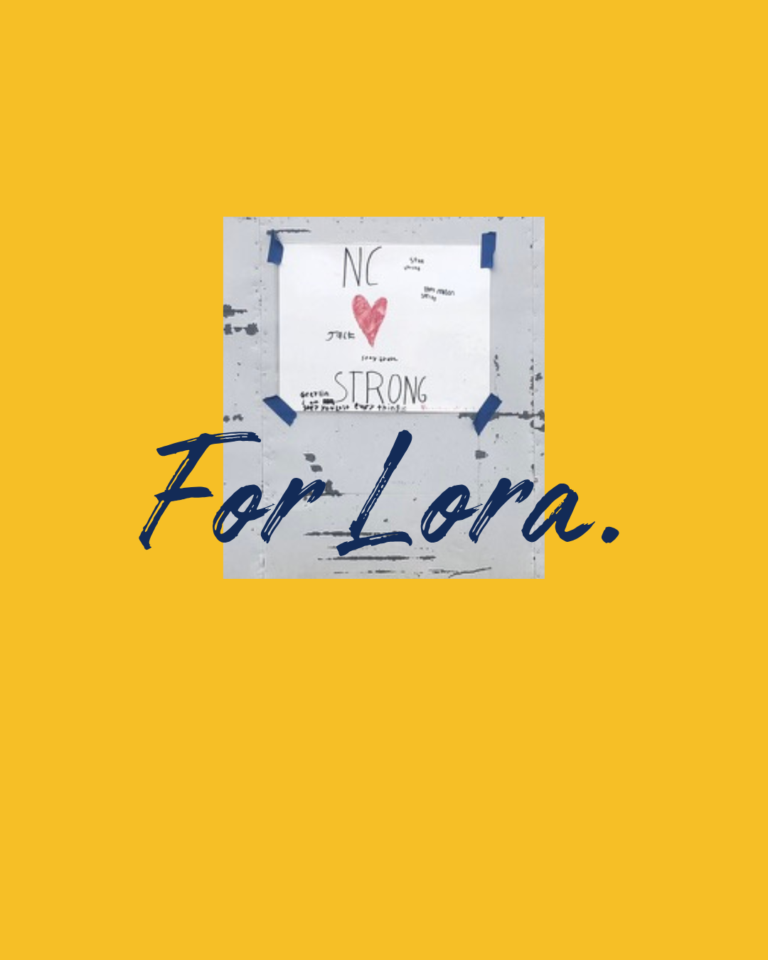
For Lora.
Authored by Anna Wheeler, Grants and Data Manager, Virginia Harm Reduction Coalition This article was written by a resident of Lansing, North Carolina. Learn about the community’s ongoing effort to recover from Hurricane Helene at lansingbtr.org, and please consider donating to support local recovery efforts here. Lansing is a rural town in the Blue Ridge…
-
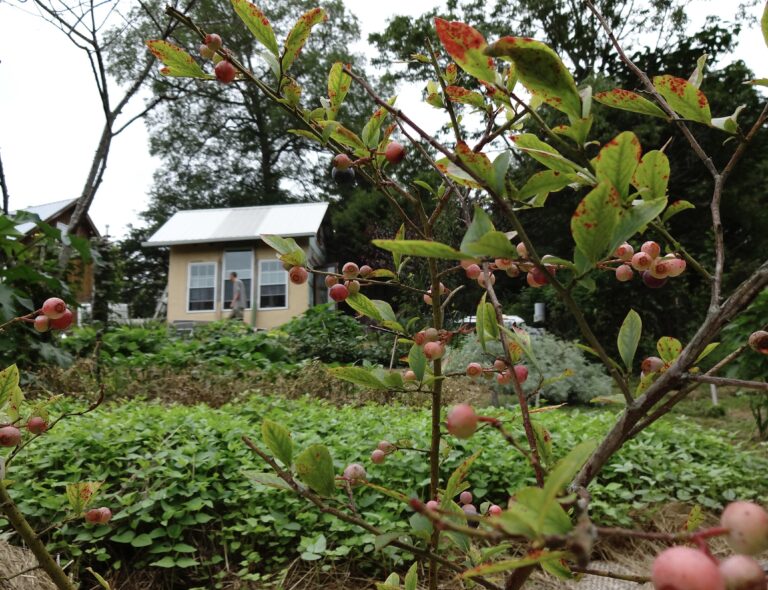
Salamander Springs Farm: Strengthening Resilience and Self-reliance in Kentucky
This blog was written by Susana Lein of Salamander Springs Farm Salamander Springs Farm sits on a ridge of the Appalachian foothills south of Berea, Kentucky. Totally off-grid, it relies on a very small solar electric system, gravity-fed spring water with a few small rainwater catchments, a DIY compost toilet and self-built infrastructure. The farm…

MINI-GRANTS
Our 2025 Appalachian Community Resilience + Response (ACRR) Mini-Grant Recipients

- Athens County Planning Office
- Black By God
- Community Ventures
- Dante Community Association
- Full Circle Forestry Collective
- Hemphill Community Center
- Lansing’s Bridge to Recovery
- Monongalia County Health Dept.
- Salamander Springs Farm
- Sharpsburg Neighborhood Organization
- Solid Ground School
- Tri-County Mystery Meets Community Theatre
RESEARCH & RESOURCE DEVELOPMENT
Central Appalachian Resiliency Exchange
(CARE)
Check out our new Community Resilience Resource Hub
Explore our resource hub that contains information curated for use in the region to cut through the noise and allow our communities to move towards implementation and resilience building. This toolkit is organized topically by potential users and is focused on those resources that are ready for implementation by communities, local businesses, households, farmers, and other organizations. Resources are all publicly available.
Who can benefit from these resources:
- Homeowners & Residents
- Community Groups & Non-profits
- Business & Commerce
- Planners, Engineers & Emergency Managers
- Local Government & Tribal Leaders
TRAINING
CAN teamed up with our friends at the ReImagine Appalachia to offer a new virtual series that explores effective disaster response in depth. From causes to mitigation; resilience to recovery; resources to first-hand survivor advice, we’ll help you get equipped with region-specific disaster resilience tools and knowledge.
Webinar Series
Watch recordings of a new series that explores disaster resiliency in Appalachia
- Disaster Resiliency 101
- Shelter in the Storm: Creating Community Resilience Hubs
- Nature Based Hazard Mitigation: How Nature-based Approaches Can Reduce Flood Risk
- Federal Disaster Relief Programs: Unpacking FEMA and other federal programs for disaster relief
- We Help Each Other: How Appalachian Communities Come Together When Disasters Hit
- Telling the Story: Communicating and Storytelling around Climate Disasters and Disaster Resiliency in Appalachia
If you are interested in joining CRAWG, click below.
For more information about CAN, visit these pages: